


In the beginnings, Benga was looked down upon as just a mere simple beat but overtime it was repackaged and produced in a hybrid beat of the former which became Kenyan’s favorite genre.
Benga is majorly characterized by falsetto guitar riffs accompanied by melodious singing that breake at intervals with a chorus, the riffs includes a lead, rhythm, solo and bass guitars all played concurrently producing a much traditional tribal beat but now in a complex and appealing acoustic sound.
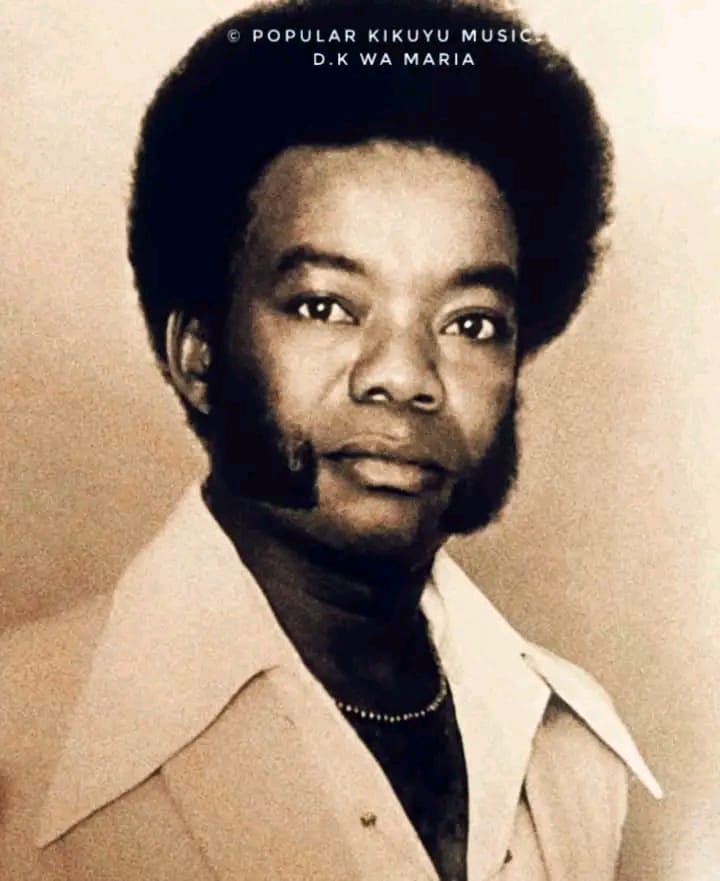
In Kikuyu music scene, D.K Wa Maria is considered as the pioneer artist to try the benga genre and many other first generation musicians would also adopt the new found genre, that was early 60s in the dawn of new Kenya.
Earlier, the first generation of artists were producing music in MWOMBOKO style, a more of traditional Kikuyu beat which had adopted the Karingaringa, the accordion which came with Kikuyu soldiers returning from World War I & II and a simple guitar rhythm: some of these artists included; Shinda Gikombe, John Arthur, Mwangi Wa Maguru, Roman Wairigi and Joseph Kamaru.
Review
Shinda Gikombe_Nyiri Kwa Rubathi
Mwangi Wa Maguru_Ndinakuruma
Others in this first generation order adopted the country music style from the Americas and would even Yodel! they included one of the earliest artists Sammy Ngaku, Meciiria Wa Wairimu and Wanganangu.
Review
Sammy Ngaku_Rossana
Wanganangu & Meciiria_Gikuu Ni Kiuru
Around 1963/64, the new benga beat started gaining ground just as D.K Wa Maria was premiering his career and would do among the first Kikuyu Benga tracks alongside other legendary figures of Francis Rugwiti, Pius Kihingo, Lawrence Nduru and Joseph Kamaru, as said earlier, Benga involved a fast paced guitar played style with mainly the lead guitar following the melody of the track, here drums and percussions were used sparingly
For Review Check
DK Wa Maria_I Love You
Lawrence Nduru_Ndaciariirwo Ndeiya…
Other groups still in era of mid 70s embarked on the popular Rhumba genre which resonated well with people of East Africa some of the artists included S.K Kimani, Dishon Maina, Joseph Kananda, Joe Wang’ombe and Joseph Kaisha among others
Sample
SK Kimani_Wangari
Joseph Kaisha_Ni Kurima Ukurima
Mid 70’s still a new beat The ‘Erithi’ more accustomed to Kikuyu music was adopted, the Erithi beat basically is a hybrid of Benga and Mwomboko, with the simple Mwomboko guitar being more prolific and few catchy guitar licks in between, it was adopted by CDM Kiratu and Joseph Kamaru and many later followed
For Review
CDM Kiratu_Kaba Kuinuka
Francis Rugwiti_Ndigagukararia
DK Wamaria_Kiss Ya Wendo(First Version)
John De Mathew_Property
Into the entry of 1980’s marked yet another ers in Kikuyu music with another genre to try, back in 1973 a new beat was discovered by a band Zaiko Langa Lanza in Zaire dubbed the ‘Cavacha’.
This new beat which became popular in Kenya from early 80s utilized the drum set alot, with the notable use of the snare drum and more prominently the hi-hat to produce a fast paced drum rhythm to compliment the already existing Benga Beat, artists starting their careers at this period adopted this genre heavily including the Rwengo Brothers, JB Maina, Peter Kigia, John De Mathew and the later generation would also use the beat
For Review
John Ndicu_Uthoni Wa Ndagwa
Gacheru Wamaitu_Thina Uri O Ngoro and many many more
In the origins of Cavacha, the founder created the rhythm inspired by the sound of a train and now a question would arise; Did this beat also inspire the sub genre in Kikuyu dubbed the Mugithi? thats a question for you and a story for another day.
Wrapping up, the much later genre to enter Kikuyu music scene was around early 90’s and it was the Urban Kikuyu beats with didn’t use any acoustic sound rather adopted use of synths and keyboards to give electonic music pioneered by Njoroge Benson and of which Kikuyu gospel have widely used in the modern era
Sample
Njoroge Benson_Gwata Ndai
https://youtu.be/WYmwM5Lzbpc
Mid 90s would see the rise of One Man Guitar performers and a new genre would be associated with them dubbed ‘Mugithi’ of which is more of a downgrade of Erithi Genre but still have a few elements of Cavacha in it
So in a nutshell, most of Kikuyu secular songs are done in the Cavacha Style and a whole heap of tonne also on Benga.
The Erithi beat which existed since 70s is currently the most dominant in this generation with Urban Music still trying to peak although it is doing well in the gospel industry


